Guide
HIPAA Compliant Data Ingestion: Best Practices for Secure Healthcare Data Import in 2026
Learn HIPAA compliant data ingestion best practices for 2026. Secure ePHI, map CSV to FHIR, and ensure auditability with engineering-focused guides.
- Published
- Reading time
- 5 min
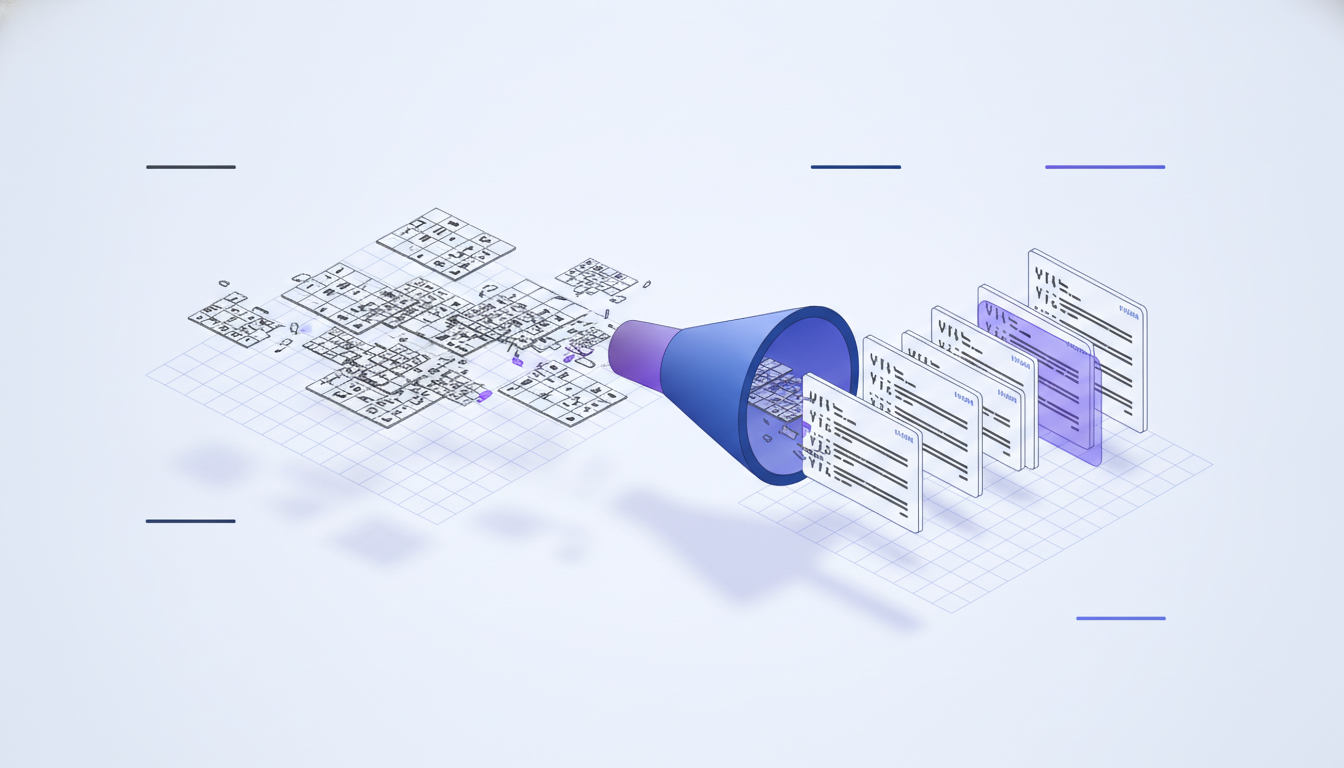
HIPAA compliant data ingestion requires encrypted transfer, strict access controls, and a signed Business Associate Agreement before any patient data enters your system. In 2026, the focus shifts from simple encryption to precise schema mapping that preserves clinical context without exposing raw PHI during ETL.
Key takeaways
- Enforce TLS 1.3 for data in transit and AES-256 for data at rest.
- Sign a Business Associate Agreement (BAA) before ingestion begins.
- Map flat files to FHIR standards to reduce downstream compliance risk.
- Maintain immutable audit logs for every field-level data access event.
What are the latest HIPAA requirements for data ingestion in 2026?
The core Security Rule remains unchanged: you must protect electronic protected health information (ePHI) during storage and transmission. In 2026, enforcement emphasizes granular access logging and data minimization. You cannot ingest a full patient record if only a subset of fields is needed for the workflow.
We enforce minimum necessary access at the API level. If a partner needs eligibility data, they cannot access clinical notes. This reduces the attack surface and simplifies breach notification requirements. You must also maintain a documented data flow map showing where ePHI enters, moves, and exits your environment.
How do you handle secure healthcare data import from CSV and Excel?
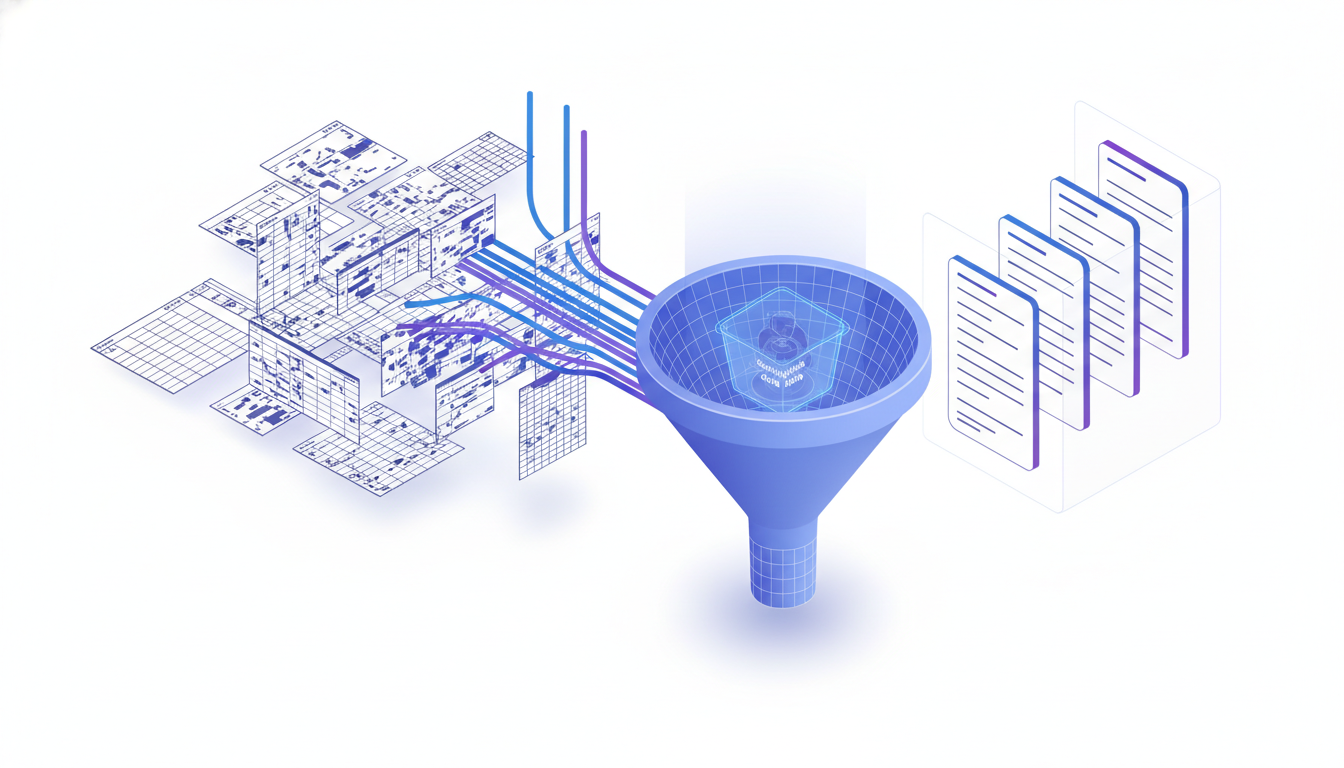
CSV and Excel files remain the most common source of compliance failures due to hidden macros and inconsistent schemas. Secure healthcare data import requires validating file structure before processing. We reject any file containing macros or embedded scripts automatically.
When ingesting member and eligibility files from health plans, structure varies widely. Providers often send non-standard headers or mixed data types. You need a validation layer that checks against a known schema before loading data into your warehouse. As noted in industry guides, ingesting these files requires strict controls to prevent unauthorized access during the transfer phase [[https://www.integrate.io/blog/hipaa-compliant-way-to-ingest-member-and-eligibility-files-from-health-plans/](Integrate.io member and eligibility file ingestion guide)].
If you map spreadsheets directly to clinical codes like LOINC, ensure the mapping logic is version-controlled. A shift in column headers should trigger a failure, not a silent data corruption. This prevents downstream analytics from using incorrect patient identifiers.
What are the essential features of a HIPAA compliant data ingestion platform?
A compliant platform must provide more than just a secure connection. It needs to enforce policies at the point of entry. Below is a checklist of technical controls we require in any ingestion tool.
| Feature | Requirement | Why It Matters |
|---|---|---|
| Encryption | TLS 1.3 (in transit), AES-256 (at rest) | Prevents interception and unauthorized access to stored data. |
| Authentication | MFA + OAuth2/OIDC | Ensures only authorized users trigger ingestion jobs. |
| Audit Logging | Immutable logs with field-level details | Required for breach investigation and compliance audits. |
| Data Mapping | Schema validation before load | Prevents malformed data from corrupting downstream systems. |
| Access Control | Role-based access (RBAC) | Enforces minimum necessary access for every user. |
Integration pipelines often struggle with data transformation. You need a system that handles semantic layer logic without exposing raw data to developers. Platforms offering unified data access without moving data reduce the risk of accidental exposure [[https://www.knowi.com/blog/hipaa-compliant-data-integration-pipeline/](Knowi HIPAA compliant data integration pipeline guide)].
Ensure the tool supports automated PII redaction. If a user uploads a file containing social security numbers in a comment field, the system should flag or mask it before storage. This proactive approach prevents accidental violations during development testing.
How to ensure data integrity and auditability for regulatory compliance?
Auditability is not just about logging who accessed data. It is about proving what changed and when. Every ingestion job must generate a hash of the input file and the output record. If a hash mismatch occurs during a restore, you know the data was tampered with.
We store audit logs in a write-once, read-many (WORM) storage system. This prevents attackers or internal actors from deleting evidence of unauthorized access. Logs must include timestamp, user ID, action type, and resource identifier.
Data integrity also means ensuring clinical codes remain accurate. If you ingest a lab result with a LOINC code, verify the value matches the expected range. A glucose level of 5000 mg/dL is technically valid data but clinically impossible. Automated validation rules catch these errors before they reach the provider.
What is the role of Business Associate Agreements (BAAs) in data ingestion?
A BAA is a legal contract required when a third party handles ePHI on your behalf. Without a signed BAA, using a cloud storage or ingestion tool is a direct HIPAA violation. You must review the BAA to ensure it covers all data processing activities.
Many vendors offer standard BAAs, but they may exclude specific services like log retention or data deletion. Ensure the BAA covers the full lifecycle of the data, including backup and disaster recovery. If a vendor subcontracts processing, they must also sign a BAA.
You should maintain a central repository of all active BAAs. When onboarding a new data source, verify the vendor's BAA status before configuring the pipeline. This simple administrative step prevents legal exposure during an audit.
Future trends in secure healthcare data exchange and compliance
The industry is moving toward standardized APIs like FHIR to reduce reliance on flat files. This shift minimizes manual handling and reduces human error. By 2026, we expect more payers to mandate FHIR endpoints for eligibility and claims data.
Storage solutions are also evolving to support compliance natively. Object storage with built-in encryption and access policies simplifies the architecture for data lakes. Building a HIPAA-compliant healthcare data lake requires careful selection of storage backends that support these controls without custom scripting [[https://openmetal.io/resources/blog/building-a-hipaa-compliant-healthcare-data-lake-with-ceph-storage/](OpenMetal guide on building a HIPAA compliant data lake with Ceph)].
Adopting these standards early reduces the cost of compliance. If you build your ingestion pipeline on FHIR now, you avoid costly refactoring later. Focus on automating validation and mapping to keep your systems resilient against evolving regulations.
To start securing your data ingestion, map one critical CSV file to FHIR using our schema mapping tools. You can review the documentation at AdaptivMapr to see how we handle regulated data imports.
FAQ
What is HIPAA compliant data ingestion?
HIPAA compliant data ingestion is the process of importing patient data into a system while enforcing encryption, access controls, and audit logging required by the HIPAA Security Rule.
Do I need a BAA to import patient data?
Yes, you must have a signed Business Associate Agreement with any vendor that processes or stores ePHI on your behalf before ingestion begins.
How do I secure CSV files containing PHI?
Secure CSV files by encrypting them in transit using TLS 1.3, validating their structure before loading, and storing them in encrypted storage with strict access policies.
What is the best way to map healthcare data?
Use standard schemas like FHIR and LOINC for mapping. Automate validation checks to ensure clinical codes and values match expected ranges before storage.
Can I use standard cloud storage for ePHI?
You can use standard cloud storage only if you configure server-side encryption, enable access logging, and have a valid BAA with the cloud provider.