Guide
State Privacy Law Updates: A Developer's 2026 Guide to New US Regulations and Enforcement
Master US state privacy laws 2026 with this developer guide. Cover Indiana, Kentucky, Rhode Island technical specs and California's DROP platform implementation details.
- Published
- Reading time
- 6 min
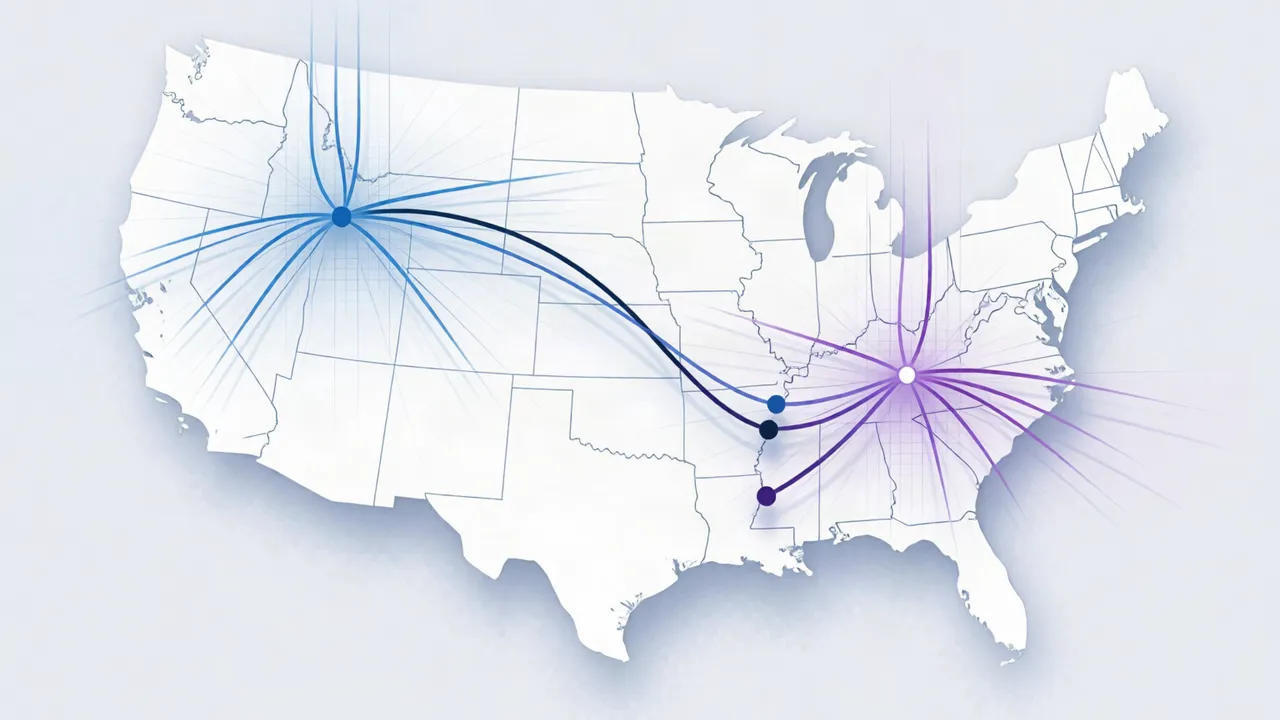
As of November 2026, over 15 US states have active comprehensive privacy laws requiring distinct technical implementations. Developers must now build for varying thresholds, deletion APIs, and broker registries simultaneously. You need to audit your data maps and deploy state-specific deletion endpoints before Q1 2027.
Key takeaways
- Indiana, Kentucky, and Rhode Island enforce strict consumer rights starting early 2026.
- California's DROP platform requires data brokers to register and accept automated deletion requests.
- Cure periods are shrinking; automate compliance logic to avoid fines.
Which US State Privacy Laws Became Effective in 2026?
Several new laws took effect January 1, 2026. These include Indiana, Kentucky, and Rhode Island. They require specific data subject access request (DSAR) endpoints. You must verify your processing activities against their thresholds.
The regulatory landscape has shifted from voluntary frameworks to statutory mandates with hard technical requirements. In 2026, multiple states activated provisions that demand precise schema handling and automated deletion workflows. Developers often treat these as cookie banners, but the backend data flow changes are significant. We now manage a matrix of jurisdictions where "universal" opt-outs are legally binding for specific device signals. Tracking these laws manually is inefficient; automated tracking tools help keep you aligned with statutory changes before they impact your codebase. Review current trackers to ensure your stack matches the latest statutory text, such as those listed by U.S. State Privacy Laws: 2026 Tracker and Compliance Guide.
Indiana, Kentucky, and Rhode Island: Key Technical Requirements for Developers

These states mandate specific response windows and data formats. Indiana requires responses within 45 days. Kentucky aligns with similar standards. Rhode Island focuses on opt-out mechanisms. You must support universal opt-out signals.
Implementation requires a unified API gateway that routes queries based on user residency. Indiana's law mandates data deletion requests be honored for third-party service providers, not just direct vendors. This complicates cloud-native architectures where data sits in multi-tenant buckets. Kentucky and Rhode Island reinforce this by requiring verifiable consumer requests, often necessitating identity proofing flows that balance security with user experience. You must build state-specific headers into your DSAR logic. If you ignore the 45-day response timer in Indiana, fines apply per violation. To manage this complexity efficiently, developers should prioritize standardization. Check US State Privacy Laws List: Every State Compared (2026 Guide) to align your engineering backlog with specific state requirements.
California's Delete Act and DROP Platform: A Deep Dive for Implementation
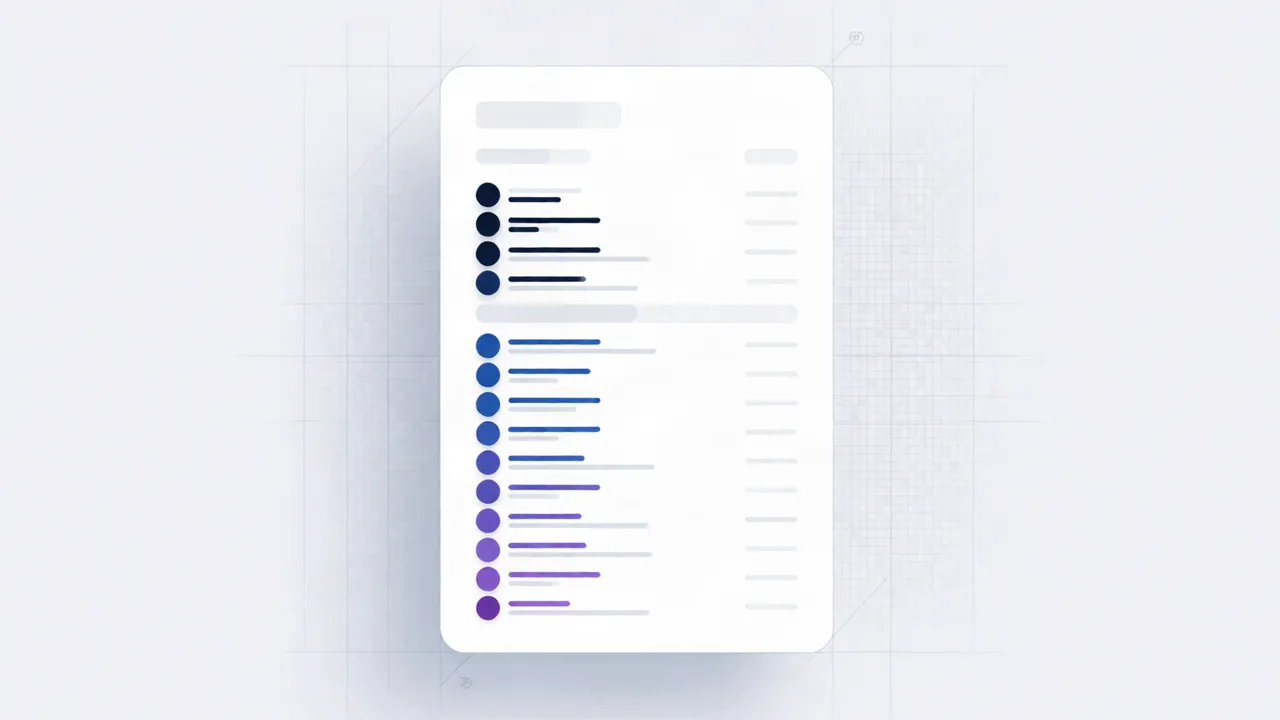
The DROP platform centralizes data broker registrations. Brokers must respond to deletion requests within 45 days. You need to build an API to query this registry. This prevents consumer data from lingering in broker networks.
California’s Delete Act mandates that data brokers register with the state and provide a mechanism for consumers to submit deletion requests. The Registry of Opt-Outs and Payouts (DROP) is the technical backbone for this requirement. Your API must validate whether a business entity is listed on DROP before transmitting data for commercial use. If a broker on DROP refuses your deletion request, you must log that failure for legal review. This is not just consumer-facing; it is a system-level constraint. You are responsible for ensuring your data contracts exclude unregistered brokers or those failing compliance checks. Automated monitoring prevents your logs from becoming part of a legal violation.
Data Broker Obligations and Automated Deletion Requests in 2026
Data brokers face stricter liability. Automated requests must be honored without human review. If your system sends data to brokers, you must track the lineage. This links directly to data minimization practices.
The threshold for data broker registration has dropped in several states. Any entity selling data collected about consumers must register if they meet minimum revenue thresholds. Once registered, they face 45-day response limits for deletion requests submitted via DROP. Your engineering team must audit outbound data streams to identify broker relationships. If you transmit PII to a marketing vendor that acts as a broker, that vendor is subject to deletion requests you may not see directly. This creates a chain of custody problem. We address this by limiting data sharing to strictly necessary fields. See Data Minimization in 2026: Architecting for Compliance and Reduced Risk to understand how reducing data types lowers broker exposure.
Navigating Evolving Cure Periods and Enforcement Trends
Cure periods are limited or removed in some jurisdictions. California offers a 30-day cure; others do not. You cannot rely on fixing errors after an audit. Automation is necessary to stay compliant.
In previous years, regulators allowed companies time to fix violations after notification. In 2026, many states have removed or reduced these cure periods. If your system fails to honor a deletion request within the statutory window, you are immediately liable for penalties. Some states impose fines per violation, meaning a single database record can trigger multiple penalties. Enforcement is now algorithmic. Regulators use automated scans to test your DSAR endpoints. You must test these endpoints internally before go-live. If you cannot automate a compliant response within the legal timeframe, you must disable that collection channel. Proactive auditing is your only defense against enforcement notices.
Architecting for Multi-State Privacy Compliance: Practical Strategies
Use a unified API layer for DSARs. Route requests based on user location. Store data lineage records for at least 24 months. This simplifies audits across multiple states.
We build a "Privacy API" that acts as a facade for all backend databases. This layer maps user IDs to specific state requirements. It automatically applies the strictest standard when a user's jurisdiction is ambiguous. Storage must be partitioned by residency to avoid exporting data across borders during a deletion. This approach also supports data minimization by preventing over-collection. If you store data in a centralized warehouse, you risk violating data residency rules. Use tagging and encryption to segregate sensitive fields. For deeper insights into lineage tracking, consult GDPR and CCPA Data Mapping: A Developer's 2026 Guide to Automated Compliance.
State Privacy Law Comparison (2026)
| State | Effective Date | Response Window | Universal Opt-Out Required |
|---|---|---|---|
| Indiana | Jan 1, 2026 | 45 Days | Yes |
| Kentucky | Jan 1, 2026 | 45 Days | Yes |
| Rhode Island | Jan 1, 2026 | 45 Days | Yes |
| California | Jan 1, 2026 | 45 Days | Yes (via DROP) |
Data Minimization and Consent: Updated Requirements
Consent must be explicit for secondary uses. You cannot retain data beyond the stated purpose. This reduces your attack surface. Review your retention policies immediately.
New regulations enforce purpose limitation strictly. You cannot repurpose data collected for service delivery for marketing without fresh consent. This applies to cookies, device identifiers, and server logs. Automated tools help track consent granularly. If consent is withdrawn, the backend must scrub the data, not just hide it. This requires cascade deletion across analytics and backup systems. For regulated sectors like healthcare, this aligns with HIPAA rules. See HIPAA Compliance in 2026: Navigating the Latest Security Rule Updates for Developers to understand overlaps between privacy and security standards.
Your 2026 Checklist for US State Privacy Law Compliance
Follow this checklist to avoid penalties. Verify thresholds. Build endpoints. Register brokers. Audit logs. Train staff. These steps ensure readiness for enforcement.
- Identify Data Types: Map all PII fields and classify them by sensitivity.
- Validate Thresholds: Confirm if you meet the criteria for data broker registration.
- Implement APIs: Build endpoints for deletion, access, and opt-out requests.
- Audit Contracts: Ensure vendor agreements include data deletion clauses.
- Test Retention: Automate deletion of stale data after the retention period expires.
To ensure your team is ready, reach out to AdaptivMapr for schema-mapping tools tailored to your architecture.
FAQ
What is the 2026 developer guide for US state privacy laws?
The 2026 guide outlines implementation steps for states like Indiana, Kentucky, and Rhode Island, focusing on DSAR endpoints and broker registries.
How do I implement California's DROP platform for developers?
Build an API to verify broker registrations on the DROP registry before transmitting data, and ensure deletion requests are routed correctly.
What are the data broker deletion requests requirements in 2026?
Data brokers must respond to automated deletion requests within 45 days and cannot charge fees for valid consumer opt-out or deletion requests.
What are the new state privacy laws effective 2026?
Indiana, Kentucky, and Rhode Island enforce comprehensive privacy laws starting January 1, 2026, requiring specific consumer data handling compliance.
How do I comply with state privacy laws as a developer?
Implement unified DSAR APIs, enforce data minimization, and automate retention policies to meet varying response times and technical requirements.